August 10, 2026
Renovating your culinary space requires thoughtful decisions about materials, aesthetics, durability, and overall maintenance requirements. Surface selections serve as both primary work areas for meal preparation and visual centerpieces that define your room's overarching design theme. With an overwhelming variety of natural stone, engineered surfaces, butcher block, and synthetic composites available today, finding your ideal material takes careful research. Homeowners must evaluate daily cooking habits, household traffic, cleaning preferences, and budget constraints before investing. Selecting high-quality kitchen countertops elevates daily culinary experiences while significantly enhancing property value, making your decision a crucial step toward achieving a beautiful, highly functional modern kitchen.
Assessing the Exceptional Durability of Quartz Surfaces
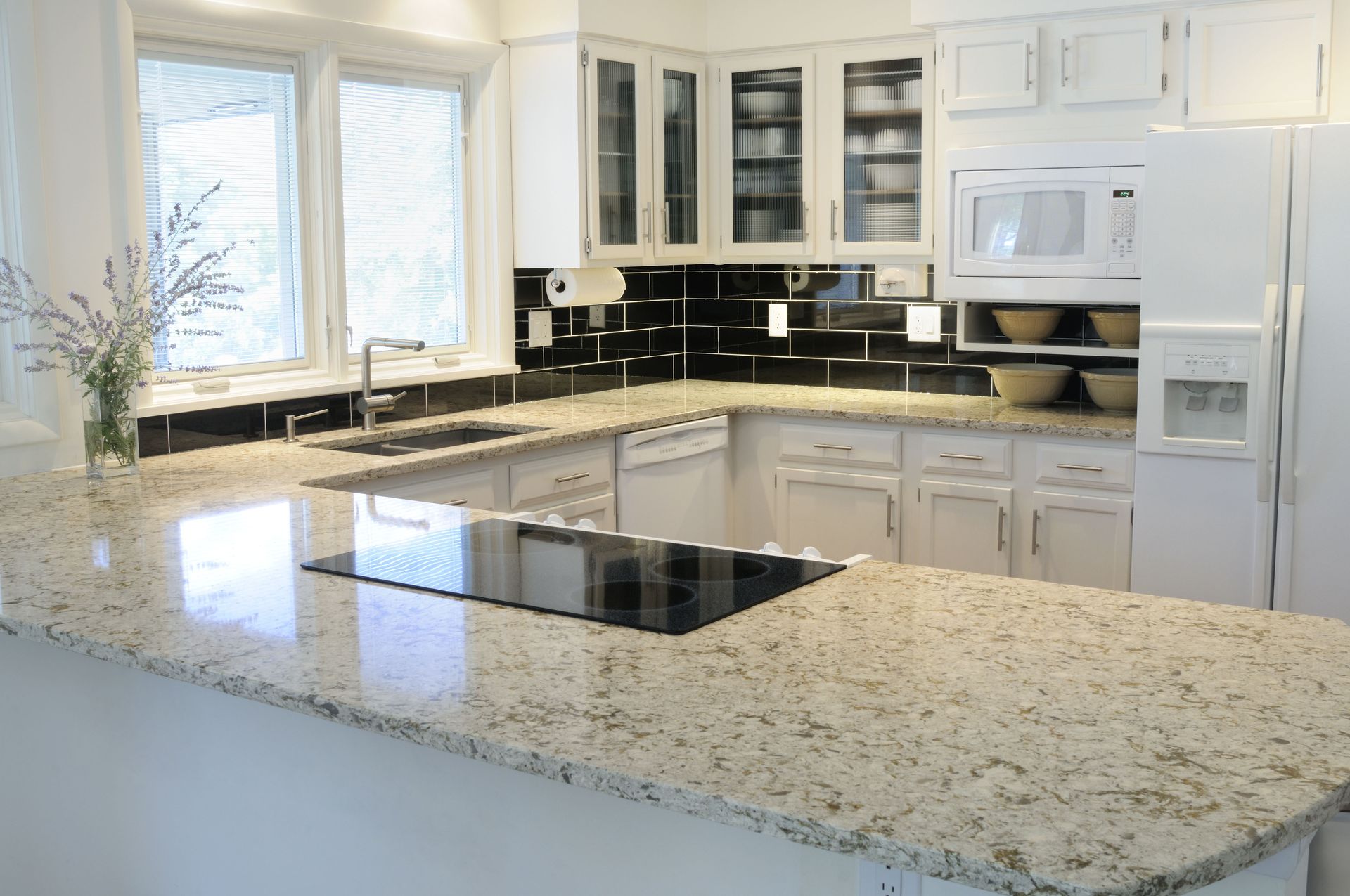
Engineered stone surfaces have rapidly become a premier choice for busy households seeking high resistance against scratches, impacts, and stubborn food stains. Unlike natural porous stones that require periodic chemical sealing, manufactured options provide non-porous resistance against bacteria and acidic cooking spills. According to This Old House, quartz countertops are made from roughly 94% ground quartz blended with polyester resins, making them one of the most durable choices for kitchens. This unique manufacturing process creates uniform patterns, rich colors, and virtually maintenance-free surfaces ideal for active families. Selecting engineered kitchen countertops ensures your food preparation zone withstands daily culinary wear with ease.
Exploring Natural Beauty in Earthy Granite Slabs
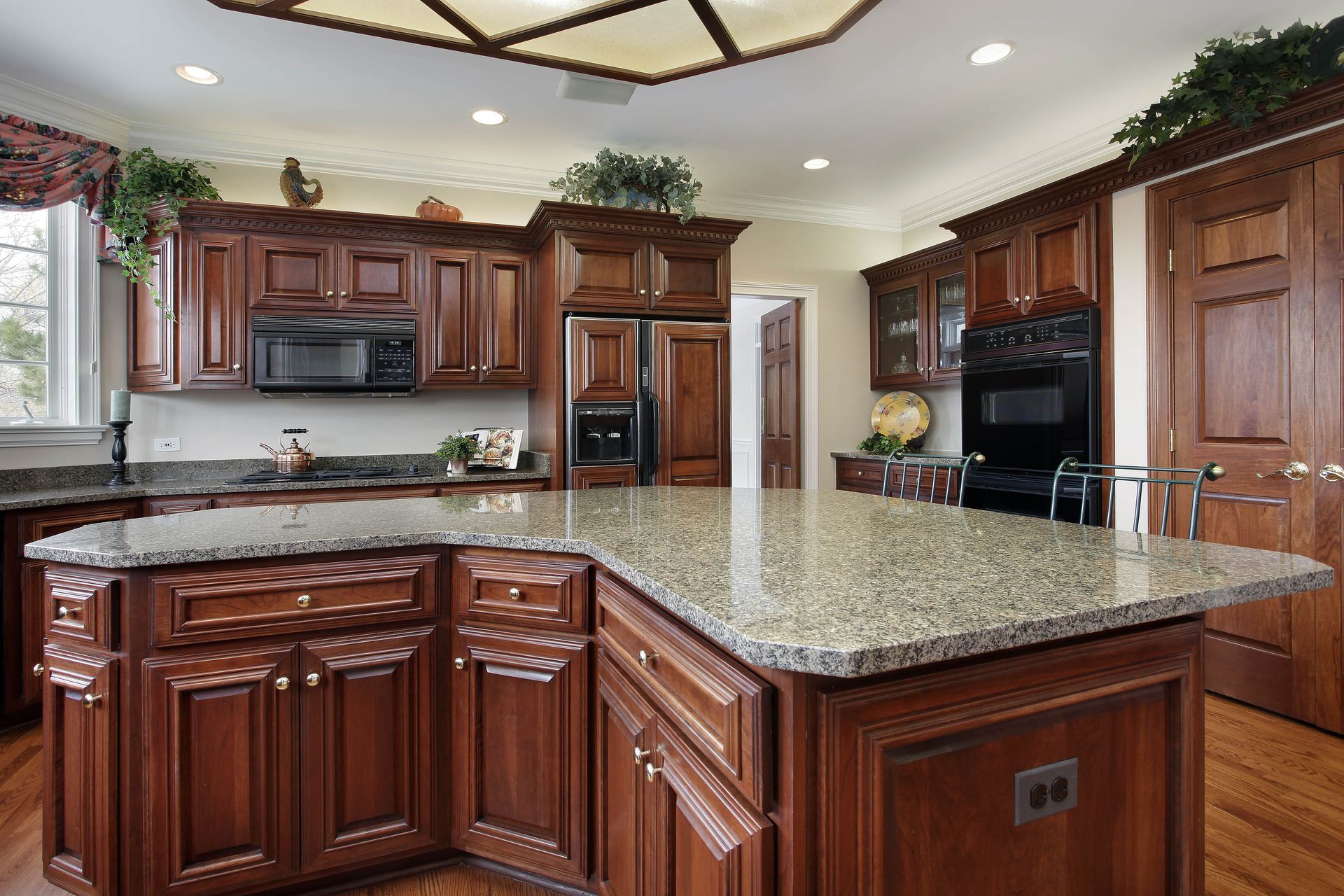
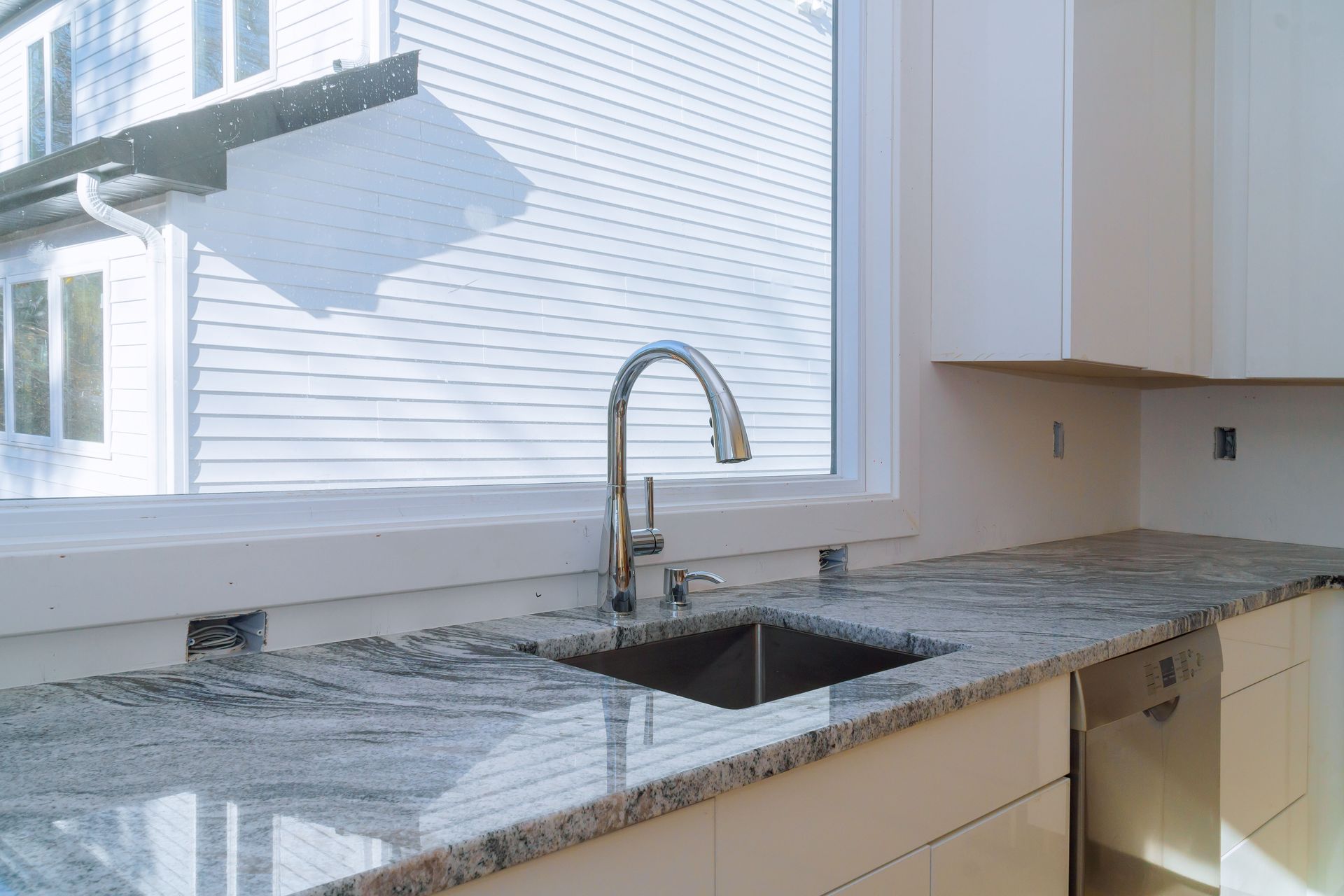
Natural granite continues to hold immense appeal for homeowners who appreciate unique movement, organic textures, and high heat resistance in their living spaces. Quarried directly from deep earth deposits, each granite slab features one-of-a-kind veining patterns, metallic specks, and diverse color variations that cannot be perfectly replicated by human manufacturing processes. Hot pots and pans can rest directly upon granite surfaces without causing scorch marks or surface melting, making it a favorite for avid home cooks. Incorporating natural granite kitchen countertops brings timeless elegance, structural strength, and authentic organic luxury into your primary residential cooking quarters.
Comparing Maintenance Demands and Surface Sealing Schedules
Long-term performance across different materials depends heavily on your willingness to perform routine cleaning and preventative maintenance over time. While engineered materials demand little more than soap and water cleanups, porous stones like marble, granite, and limestone require recurring chemical sealers to prevent liquid penetration. Unsealed natural surfaces absorb red wine, cooking oils, and citrus juices quickly, leading to permanent discoloration or etching across the surface. Evaluating your daily lifestyle and maintenance willingness helps narrow down material options effectively before finalizing purchases. Selecting low-maintenance kitchen countertops minimizes daily cleaning while preserving fresh surface appearances.
Examining Warm Wood and Warm Butcher Block Options
Wooden preparation surfaces introduce inviting warmth, rustic charm, and traditional butcher shop aesthetics into contemporary residential kitchen layouts. Solid hardwood slabs crafted from maple, walnut, oak, or cherry provide forgiving surfaces that cushion delicate glassware and protect chef knife edges during food prep. However, timber surfaces require periodic applications of food-safe mineral oil to prevent dry cracking, warping, and water damage from sink splashes. Integrating wooden kitchen countertops creates comfortable gathering areas, ideal for island prep spaces where family members gather daily to share meals and converse during busy food preparation routines.
Evaluating Budget Allocations and Fabrication Installation Costs
Determining total project costs requires analyzing raw material price tags alongside fabrication, edge profiling, delivery logistics, and professional installation labor fees. Exotic natural stones, custom thick edges, integrated undermount sinks, and complex corner cutouts add significant expenses to overall kitchen renovation budgets. Laminate, solid surface acrylics, and butcher block present cost-effective alternatives that deliver stylish looks without straining household financial resources during major updates. Working closely with local fabricators helps you balance aesthetic goals with realistic financial boundaries before placing material orders. Balancing material costs wisely allows you to secure stunning kitchen countertops without exceeding assigned remodeling budgets.
Matching Aesthetic Colors With Existing Cabinetry Styles
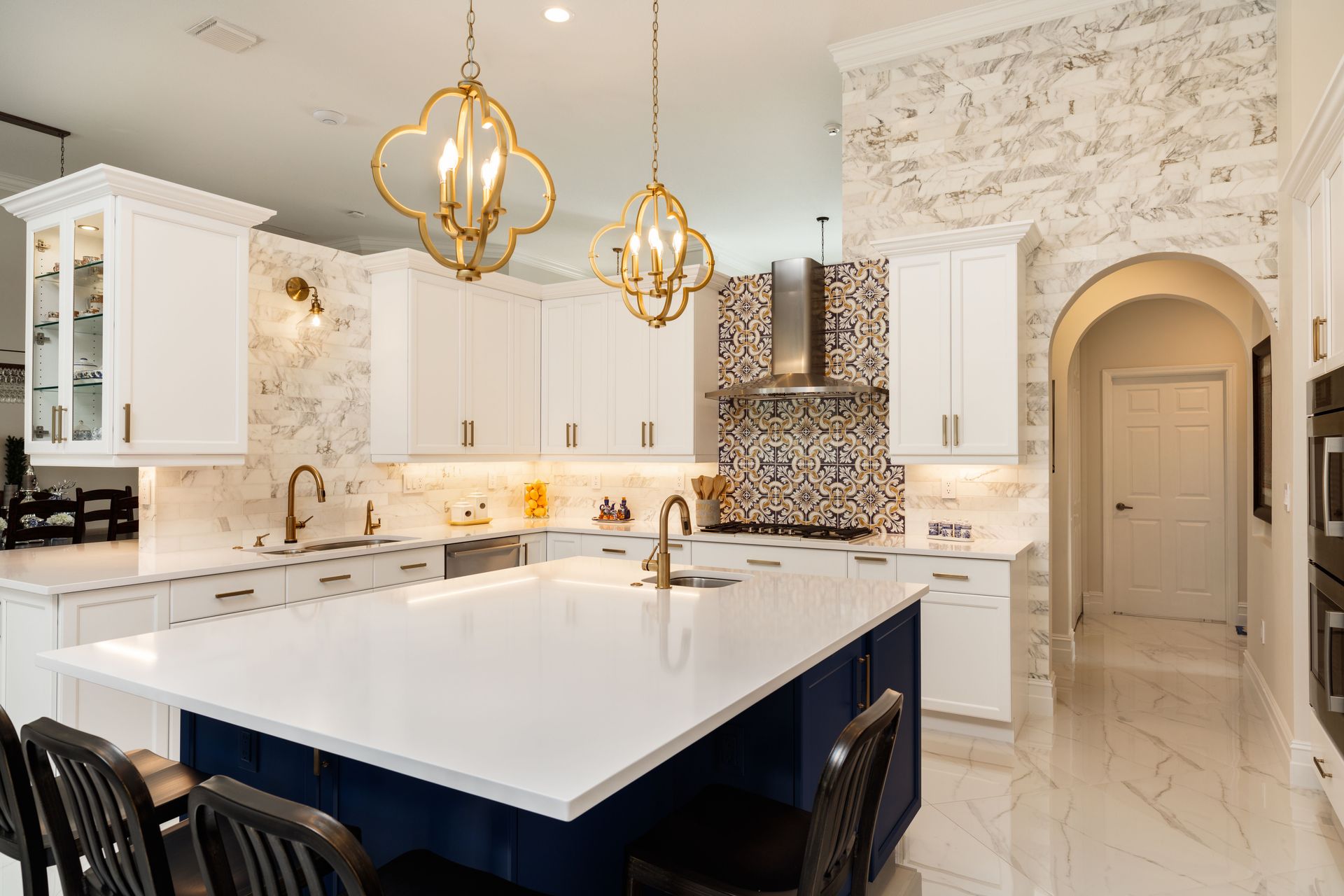
Harmonizing material colors with existing kitchen cabinets, backsplash tiles, wall paint, and floor finishes creates a cohesive visual design flow throughout your home. Dark slate, soapstone, or deep gray quartz creates striking visual contrast when paired with bright white shaker cabinets and polished chrome plumbing fixtures. Conversely, light marble or cream-colored granite softens rich dark wood cabinetry, making compact cooking areas feel noticeably brighter and more spacious. Bringing cabinet samples and tile swatches to stone showrooms ensures accurate color matching under realistic lighting conditions. Thoughtfully coordinating surface shades elevates overall interior design aesthetics across open-concept spaces.
Analyzing Heat Resistance and Thermal Shock Vulnerability
Understanding how various materials react to elevated temperatures prevents accidental scorch marks, surface cracking, and costly finish repairs during heavy cooking sessions. While natural granite, soapstone, and concrete handle hot baking sheets effortlessly, engineered quartz and solid surface materials can suffer thermal shock or resin discoloration from direct heat exposure. Utilizing trivets and heat pads remains essential when placing hot pots onto sensitive surfaces to preserve protective topcoats and resin bonds. Reviewing heat tolerance specifications helps passionate cooks choose materials that match their cooking techniques. Prioritizing thermal resilience ensures surfaces remain pristine despite intense daily baking routines.
Evaluating Non-Porous Properties for Superior Kitchen Hygiene
Maintaining sanitary food preparation areas requires selecting materials that actively resist liquid absorption, dangerous mold growth, and harmful bacterial accumulation within microscopic surface pores. Non-porous surfaces like solid acrylics, quartz, and stainless steel prevent raw poultry juices or spilled milk from penetrating beneath top surfaces, enabling simple sanitization with basic soap solutions. Porous options like marble or unsealed concrete demand careful monitoring to avoid harboring foodborne pathogens or deep-seated odors over extended periods. Choosing hygienic, non-porous surfaces keeps your family safe from food contamination, ensuring every meal prepared in your home starts on clean, sterile prep surfaces.
Incorporating Edge Profiles and Custom Architectural Details
Customizing edge treatments allows homeowners to add subtle architectural details, modern minimalism, or classic elegance to their flat working surfaces. Standard eased edges deliver clean, contemporary looks suitable for modern spaces, while ornate ogee, bevel, or bullnose edges complement traditional cabinet designs beautifully. Thicker mitered edges create dramatic visual impact, making standard slabs appear as massive, solid stone blocks resting atop base cabinets. Discussing edge profile choices with experienced fabricators ensures your finished installation aligns seamlessly with your overall architectural theme. Custom edging transforms simple flat slabs into eye-catching architectural statements throughout your home.
Considering Sustainability and Eco-Friendly Material Alternatives
Prioritizing environmental sustainability leads many modern homeowners toward recycled glass, locally quarried stone, salvaged timber, and eco-friendly composite surfaces for their residential projects. Recycled glass slabs combine crushed consumer bottles with cement or resin binders, creating vibrant, terrazzo-like patterns that divert waste from landfills. Selecting locally sourced materials reduces long-distance transportation carbon emissions while supporting regional quarrying and manufacturing industries. Eco-conscious choices allow families to build healthy, beautiful homes without compromising personal environmental values or structural longevity. Choosing sustainable surface materials supports global conservation efforts while delivering unique, durable style directly into your personal living environment.
Selecting ideal surfaces for your home involves seamlessly balancing structural durability, daily maintenance preferences, visual style, and overall project budget constraints. Whether you prefer the non-porous resilience of quartz, the organic beauty of natural granite, or the warm charm of butcher block, every material offers distinct benefits tailored to specific lifestyle needs. Taking time to review heat resistance, sealing requirements, edge details, and cabinet color harmony ensures your final choice enhances daily living for many years. Partnering with professional fabricators and installers delivers precise fit and finish across every seam. Thoughtful selection transforms your cooking space into an inviting, high-performing heart of the home. Are you considering beautiful new kitchen countertops for your home in the Nashville, TN area? Look no further than the experts at Nashville Quality Granite! Call or stop in today for more information.