July 6, 2026
In recent years, there has been a noticeable shift in homeowner preferences when it comes to kitchen and bathroom countertops. Among the numerous options available, laminate and quartz stand out as two leaders in the industry. Below, we'll delve into the reasons behind the growing trend of homeowners upgrading from laminate to quartz, considering aspects such as cost, aesthetics, durability, maintenance, environmental impact, and resale value.
Cost Considerations
Initial Investment
The initial investment in countertops can vary significantly between laminate and quartz. Laminate has long been favored for its affordability, making it an appealing choice for budget-conscious homeowners. Quartz, however, comes with a higher price tag, reflecting its premium quality and appeal. Many homeowners are willing to pay more upfront for quartz due to its long-term benefits. The initial cost becomes a crucial consideration when planning a renovation budget that details the countertop installation process.
Long-term Value
Although the initial investment for quartz is higher, its long-term value cannot be overlooked. Quartz countertops can outlast laminate by several years, delivering sustained beauty and function. This longevity translates to fewer replacements over time, enhancing cost efficiency in the broader perspective. Homeowners recognize that upgrading to quartz means investing in a product that will serve their household reliably over the years. Consequently, the higher initial cost is often seen as a worthy trade-off for an enduring countertop installation.
Installation Expenses
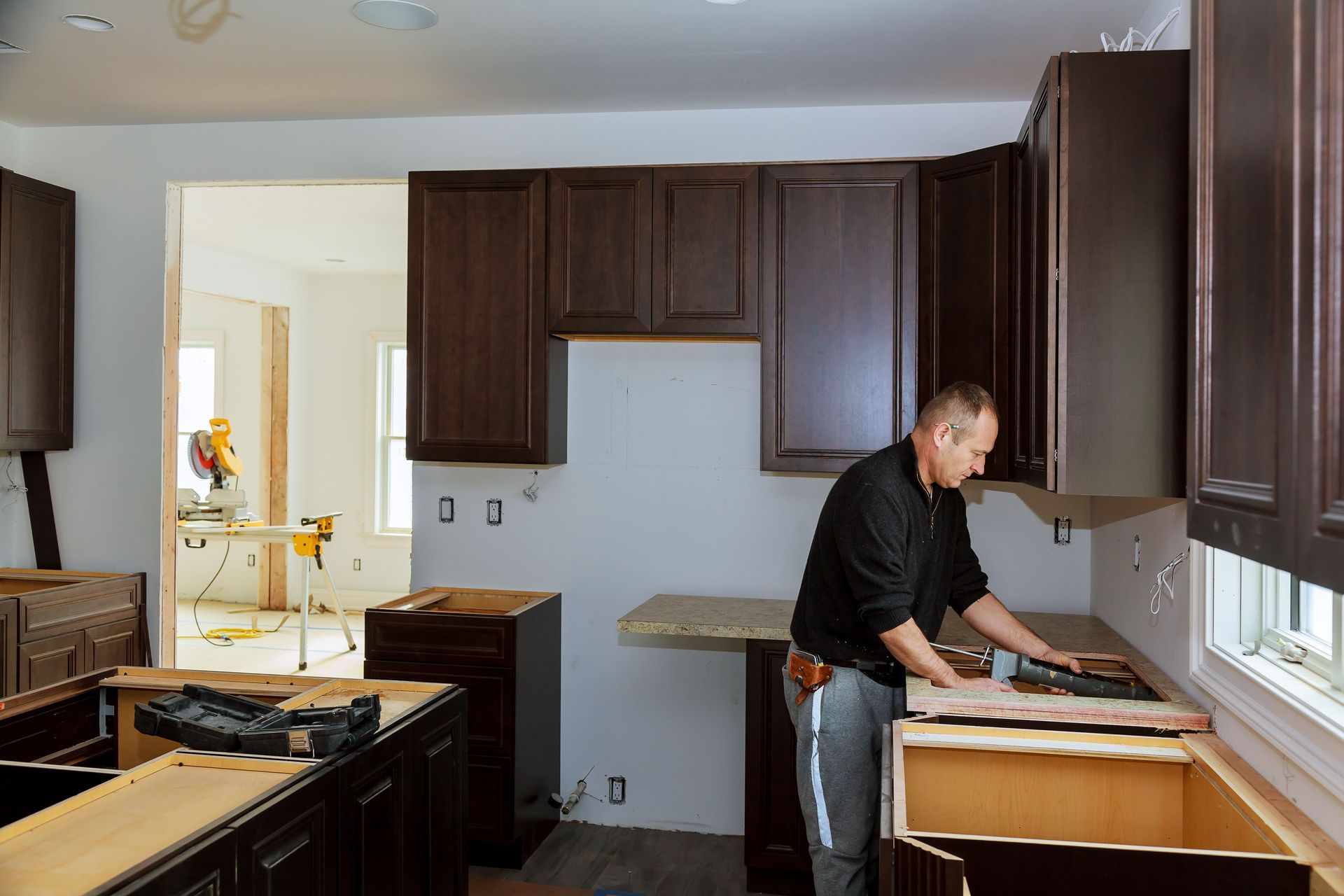
Installation costs play a significant role in the overall expenses associated with countertop replacement. While laminate is relatively straightforward and inexpensive to install, a quartz countertop installation requires specialized handling and precision fitting, which can increase installation costs. Skilled professionals are recommended for quartz installations to ensure a seamless finish and satisfactory durability. This professional installation requirement may add to the total cost but ensures the job is done right. Despite these higher costs, many homeowners see this as a worthy investment in quality.
Cost Comparisons With Other Materials
When comparing costs, laminate remains one of the most affordable materials for countertops. On the other hand, quartz competes more closely with other high-end materials like granite and marble. However, quartz offers the added benefit of uniformity and less maintenance compared to natural stones. The cost-benefit balance of quartz is often more favorable in comparison to other premium materials. This balance is influencing homeowners to make the switch from traditional materials to quartz.
Budget Planning for Renovations
Effective budget planning is critical when considering a countertop upgrade. Understanding the full scope of costs, from raw material to the final countertop installation, can help homeowners make informed decisions. For many, the higher cost of quartz is justified by its advantages in aesthetics and durability, fitting within long-term home improvement goals. Laminate, while cheaper, may not align with aspirations for upscale kitchens and bathrooms. Consequently, incorporating quartz into renovation plans becomes a strategic financial decision.
Aesthetic Appeal
Variety of Designs and Patterns
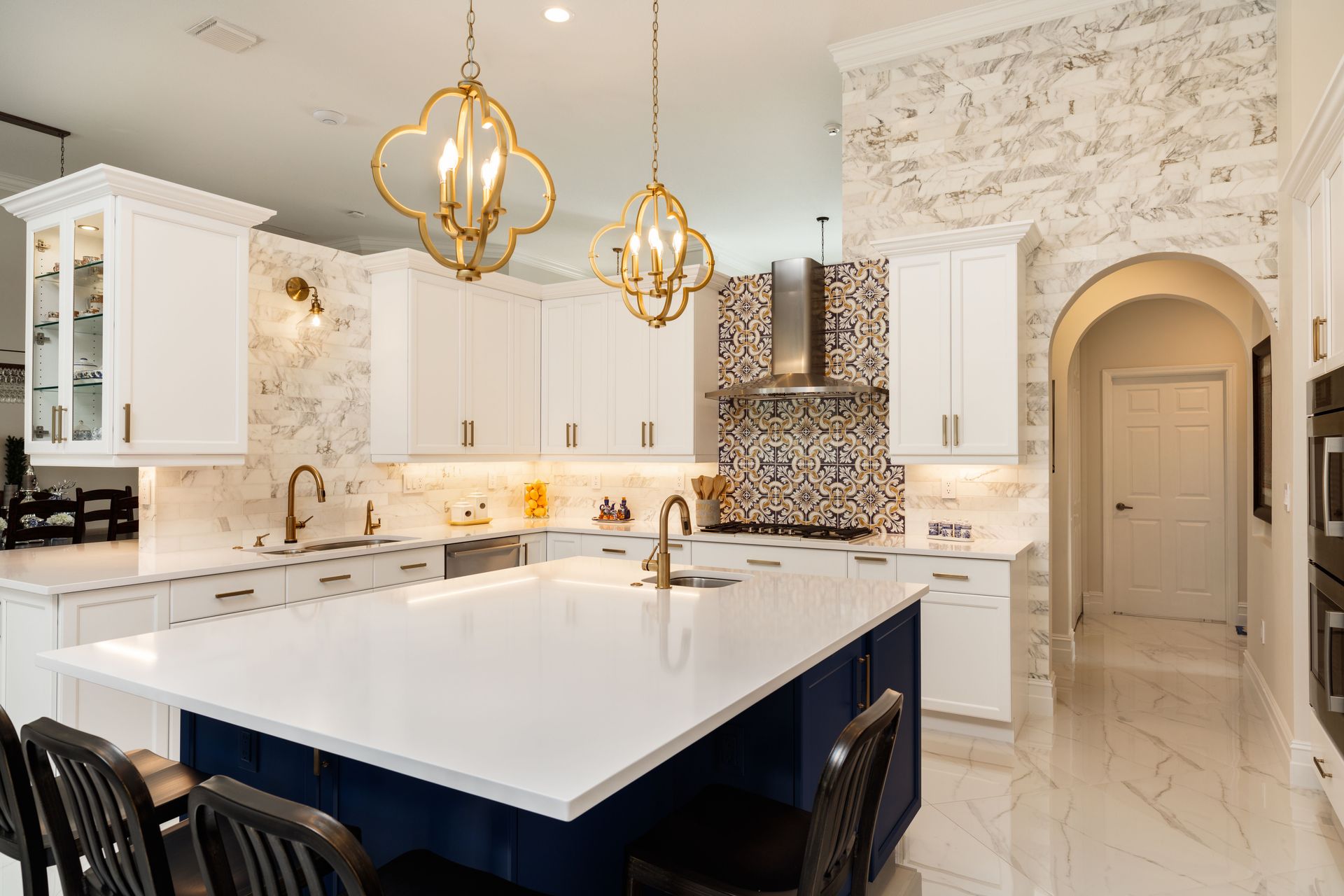
The aesthetic versatility of quartz is one of its strongest selling points. It comes in an extensive range of colors, patterns, and finishes, allowing homeowners to achieve virtually any design vision. Unlike natural stones, which often have limited color options, quartz can be manufactured to meet specific aesthetic demands. This flexibility allows for tailored kitchen and bathroom designs, adding a modern and personalized touch. The superiority of quartz in design variety attracts homeowners aiming for bespoke interiors.
Customization Options
Customization is another standout feature of quartz that lures homeowners away from laminate. Quartz can be crafted to mimic the appearance of other materials while retaining its unique benefits. This ability to customize means homeowners can match their countertops to existing décor or create a bold statement piece. Laminate, while available in many designs, does not offer the same level of luxurious customization. The shift towards quartz lies in its adaptability to individual style preferences during a kitchen or bathroom countertop installation.
Impact on Home Décor
The choice of countertops significantly influences the overall aesthetic and ambiance of a home. Quartz countertops add a sleek and sophisticated touch that can elevate the overall look of kitchens and bathrooms. Their refined appearance can complement both contemporary and classic design styles, making them a versatile addition to any home. In contrast, laminate may not deliver the same level of elegance and prestige. As a result, quartz is increasingly favored by those enhancing their home's visual appeal through a professional countertop installation.
Trends in Kitchen and Bathroom Design
Current trends in kitchen and bathroom design show a move towards more cohesive and luxurious spaces. Designers are increasingly recommending quartz for its ability to blend with modern themes. Due to its non-porous structure, quartz also fits the trend of practicality and ease of maintenance. Laminate has seen a decline, as evidenced by a 3.1% decrease in its market share in 2023, according to Worldmetrics. Quartz, therefore, is gaining traction among trend-conscious homeowners and designers executing a modern countertop installation.
Color and Texture Variability
Quartz offers unparalleled options in color and texture variability, surpassing laminate in this regard. The engineered nature of quartz allows for vibrant colors and unique textural effects that are difficult to achieve with natural stones or laminates. This range enables homeowners to experiment with unconventional combinations and unique design elements. Texture and color influence the atmosphere of a room, making quartz a preferred choice for those who prioritize interior aesthetics. These qualities are pivotal in the growing preference for quartz over laminate.
Durability and Longevity
Scratch and Chip Resistance
Durability is a crucial consideration for any countertop material, with quartz outperforming laminate in scratch and chip resistance. Quartz's hard surface can withstand daily use and high traffic without showing wear. Laminate, however, is more prone to scratches, chips, and other damage, which detracts from its longevity. This distinction is a primary factor in why homeowners choose quartz for busy kitchens and bathrooms. The durability of quartz ensures that its beauty is preserved over an extended period, providing peace of mind to homeowners.
Performance Under High Traffic
Quartz excels under the demands of high-traffic areas, a critical factor for bustling households. Its robust nature makes it less susceptible to damage from dropped items or constant use. Laminate, in contrast, can deteriorate quickly under these same conditions, often necessitating repairs or replacements that add to overall costs. The higher resistance of quartz to everyday wear and tear enhances its appeal among families and social homeowners. Thus, for busy environments, quartz is frequently the material of choice for a long-lasting countertop installation.
Comparison of Lifespan
When comparing the lifespan of these materials, quartz surfaces typically last significantly longer than laminate ones. Over time, laminate tends to wear down, showing signs of aging and requiring replacement. Quartz's longevity is attributed to its engineered construction, which is resistant to the elements that commonly cause damage to other surfaces. Homeowners see the value in investing in a product with proven longevity and stability. Consequently, the extended lifespan of quartz countertops weighs heavily on the decision to upgrade.
Resistance to Heat and Moisture
Quartz countertops offer superior resistance to heat and moisture, key factors in kitchens and bathrooms. This resistance makes quartz an ideal choice for environments where exposure to hot pots and pans, or water, is frequent. While quartz is not completely impervious to heat, it withstands it better than laminate, which can warp and peel under similar conditions. Similarly, its non-porous nature protects against moisture penetration. This resilience enhances the practicality of quartz for home applications, making it favorable over laminate.
Warranty and Support Options
The availability of warranties and support options is another advantage of choosing quartz. Many quartz manufacturers offer extensive warranties due to the expected durability and performance of the product. In contrast, warranties for laminate may be limited, reflecting potential issues over time. Homeowners value the certainty that comes with a comprehensive warranty, providing confidence in their investment. The assurance provided by warranties is appealing, further motivating the shift to quartz countertops.
Making the decision between laminate and quartz countertops involves weighing numerous factors that each homeowner should consider in relation to their personal circumstances and future plans. While the initial costs may be a driving factor, advancements in home design show that quartz's advantages in aesthetics, durability, and added resale value are leading many to make the upgrade. As trends continue to evolve, homeowners are benefiting from the enhanced options available in today's market. Call Nashville Quality Granite today to explore our inventory.